
Master Allergy-Free Cooking Today
Learn how to prepare delicious, safe meals while managing common food sensitivities. Our comprehensive guides empower home cooks to avoid allergens without sacrificing flavor or nutrition.
Whether you're cooking for yourself or your family, discover practical techniques, smart substitutions, and kitchen strategies that work.
The information on this site is for educational purposes only and does not constitute medical advice. Always consult a qualified healthcare professional before making health decisions.
Essential Substitution Guides
Discover proven ingredient swaps and cooking techniques to replace common allergens without compromising taste or texture.
Gluten-Free Alternatives
Master the art of replacing wheat flour with rice flour, almond flour, and tapioca starch. Learn proper ratios for baking and how to achieve the right texture every time.
Dairy-Free Options
Explore plant-based milk alternatives, coconut cream, and cashew-based sauces. Build creamy dishes and rich desserts using oat, almond, and soy substitutes.
Egg Replacement Techniques
Learn when and how to use applesauce, mashed banana, flax eggs, and aquafaba. Understand the science behind each binder for perfect results in baking.
Nut & Seed Swaps
Navigate tree nut and peanut restrictions with sunflower seed butter, tahini, and pumpkin seed alternatives. Create satisfying meals without common tree nuts.
Shellfish & Fish Avoidance
Replace seafood with plant-based proteins, mushrooms for umami depth, and seaweed for briny notes. Build satisfying protein-rich meals safely.
Cross-Contamination Prevention
Master kitchen safety practices, proper food storage, and tool sanitization. Prevent accidental allergen exposure through smart organization and awareness.
Why Allergen Awareness Matters
Understanding food sensitivities helps you and your loved ones eat with confidence. Proper knowledge transforms meal preparation from stressful to empowering.
- Safety First: Learn to read labels, identify hidden allergens, and recognize cross-contamination risks in your kitchen.
- Nutritional Balance: Discover how to maintain complete nutrition while avoiding allergens through strategic meal design.
- Family Inclusion: Create shared meals that everyone can enjoy together safely and without compromise on taste.
- Confidence Building: Develop skills and knowledge that reduce anxiety around food preparation and social eating situations.
5-Step Meal Planning System
Follow our proven framework to plan allergen-free meals that are nutritious, delicious, and easy to prepare throughout the week.
Assess Restrictions
Identify which foods to avoid. Review labels, research hidden sources, and list safe ingredients for your household.
Build Your Base
Create a foundation menu of safe proteins, vegetables, grains, and healthy fats. Stock your pantry with versatile allergen-free staples.
Plan Weekly Menus
Design 7 days of breakfast, lunch, and dinner using your safe ingredients. Balance flavors, nutrients, and preparation time.
Shop & Prep Smart
Create detailed shopping lists organized by store section. Prep ingredients in advance to reduce weekday cooking stress.
Cook & Enjoy
Execute your plan with confidence, using proper techniques to avoid cross-contamination. Evaluate what worked and adjust for next week.
Inspiring Allergy-Friendly Recipes
Explore proven recipes that deliver flavor and satisfaction while respecting common dietary restrictions. Each recipe includes clear allergen information.
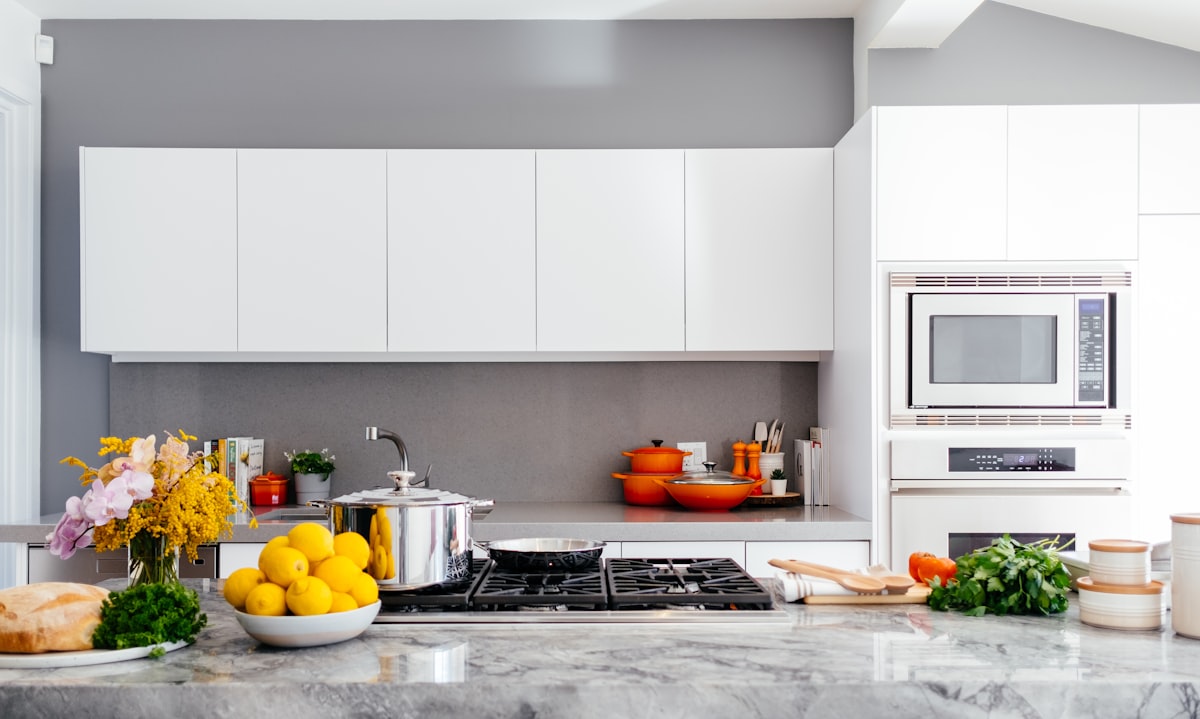
Quinoa & Vegetable Buddha Bowl
Gluten-free, dairy-free, vegan. A nutrient-dense meal combining ancient grains, roasted vegetables, and tahini dressing for balanced nutrition.
Read Recipe →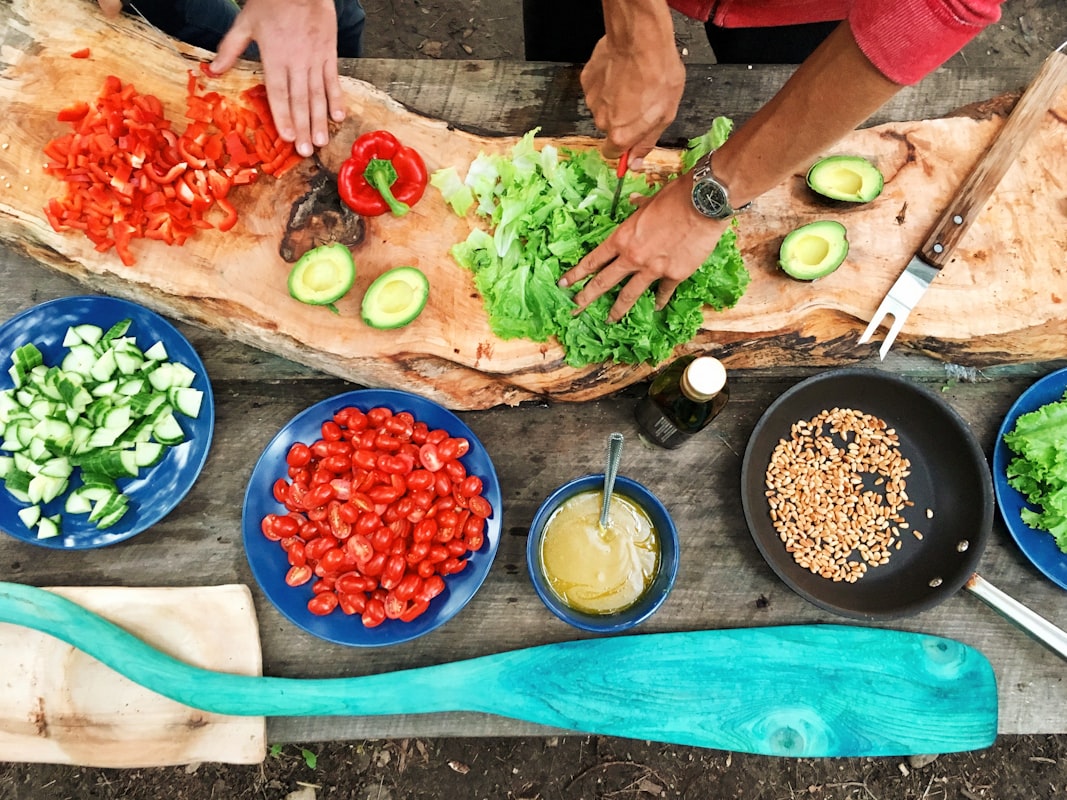
Herb-Grilled Salmon with Citrus
Gluten-free, dairy-free. Omega-3 rich salmon paired with fresh herbs and lemon creates a simple yet elegant protein-forward meal.
Read Recipe →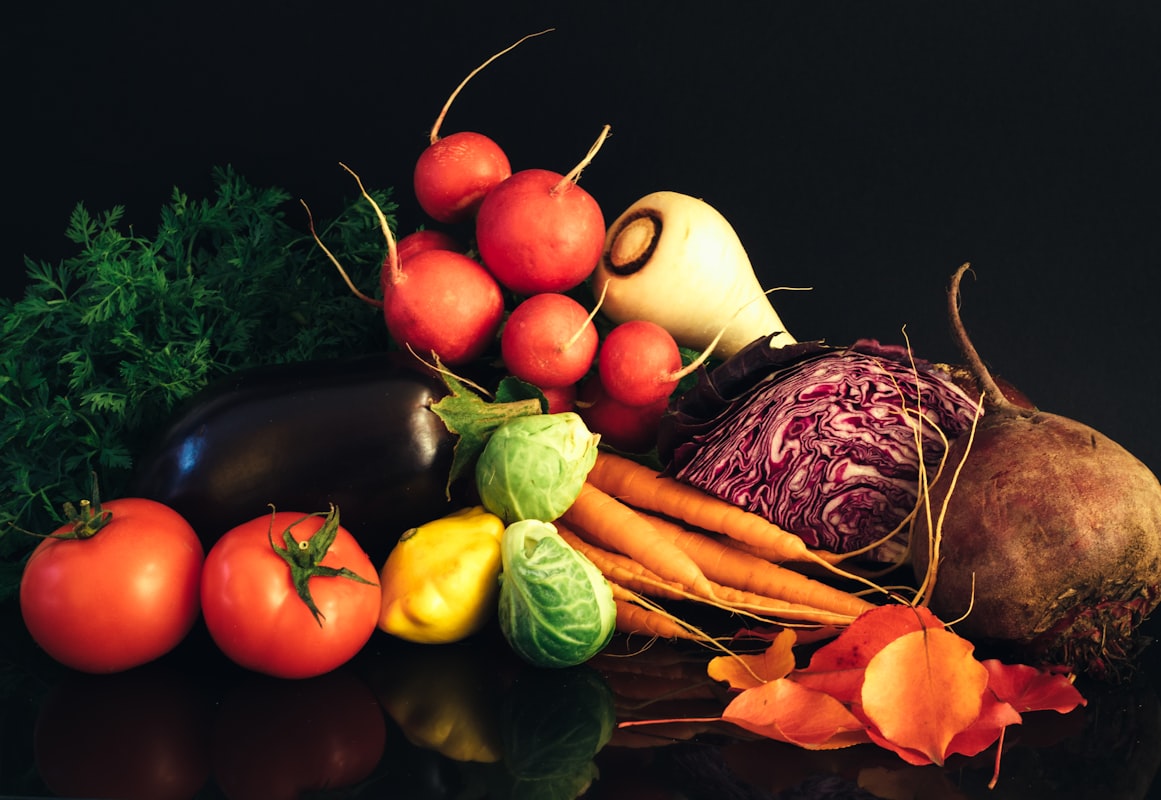
Dairy-Free Chocolate Avocado Mousse
Gluten-free, egg-free, dairy-free, vegan. Rich, creamy dessert using natural ingredients. No refined sugar, full of healthy fats.
Read Recipe →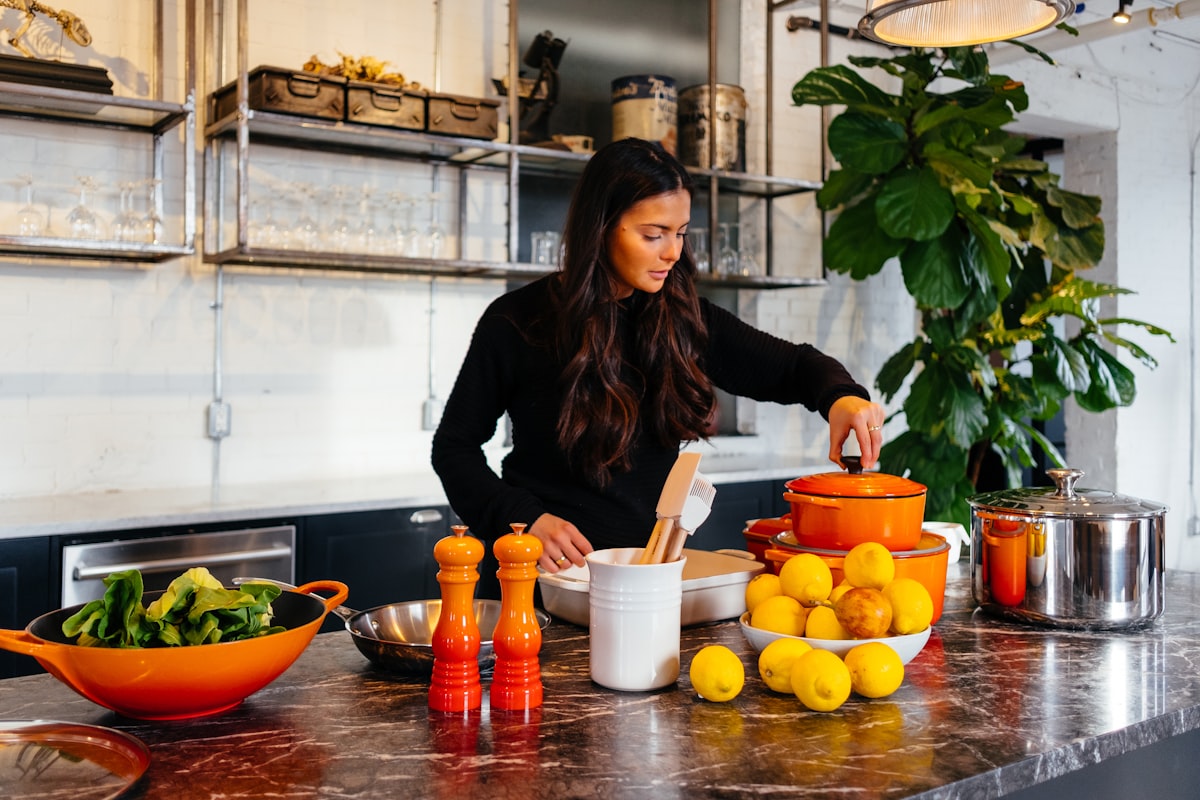
Almond Flour Pasta Primavera
Gluten-free, dairy-free. Legume-based pasta tossed with seasonal vegetables and olive oil provides protein and fiber without wheat.
Read Recipe →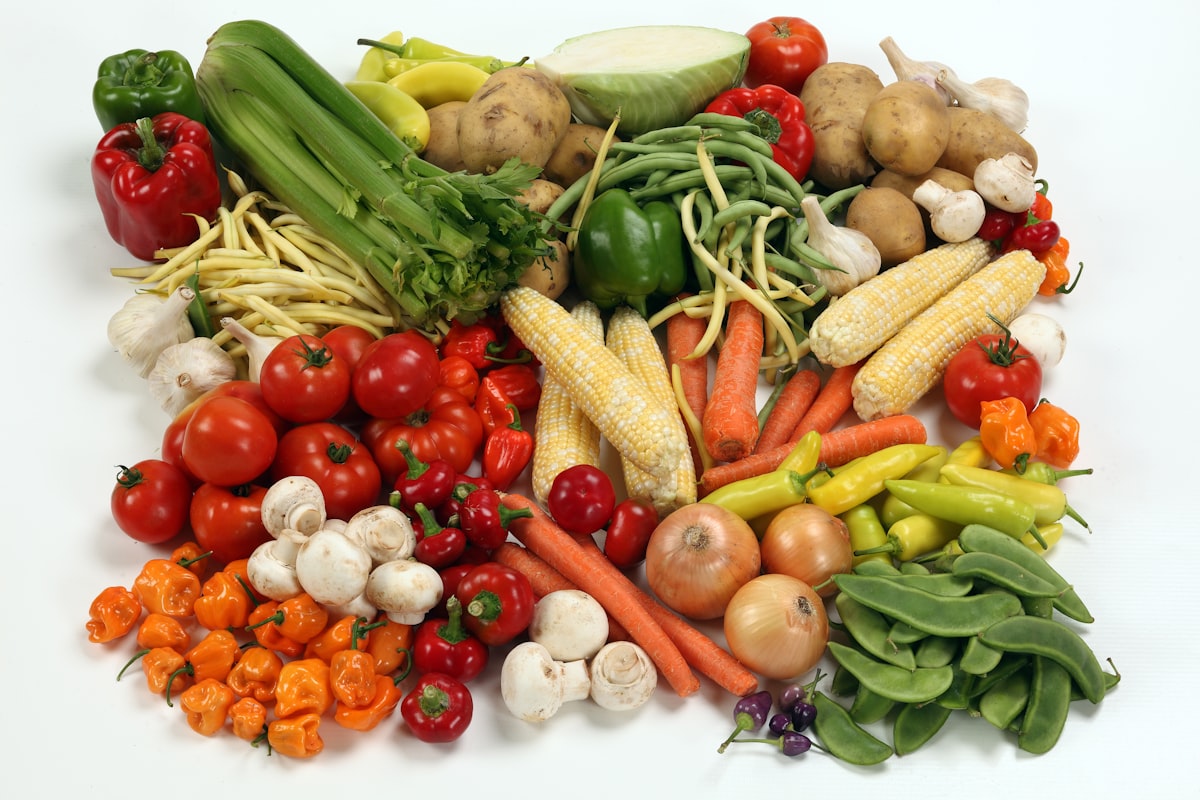
Sweet Potato & Black Bean Tacos
Gluten-free, dairy-free, vegan. Corn tortillas filled with roasted sweet potato, beans, and fresh toppings. Complete plant-based protein.
Read Recipe →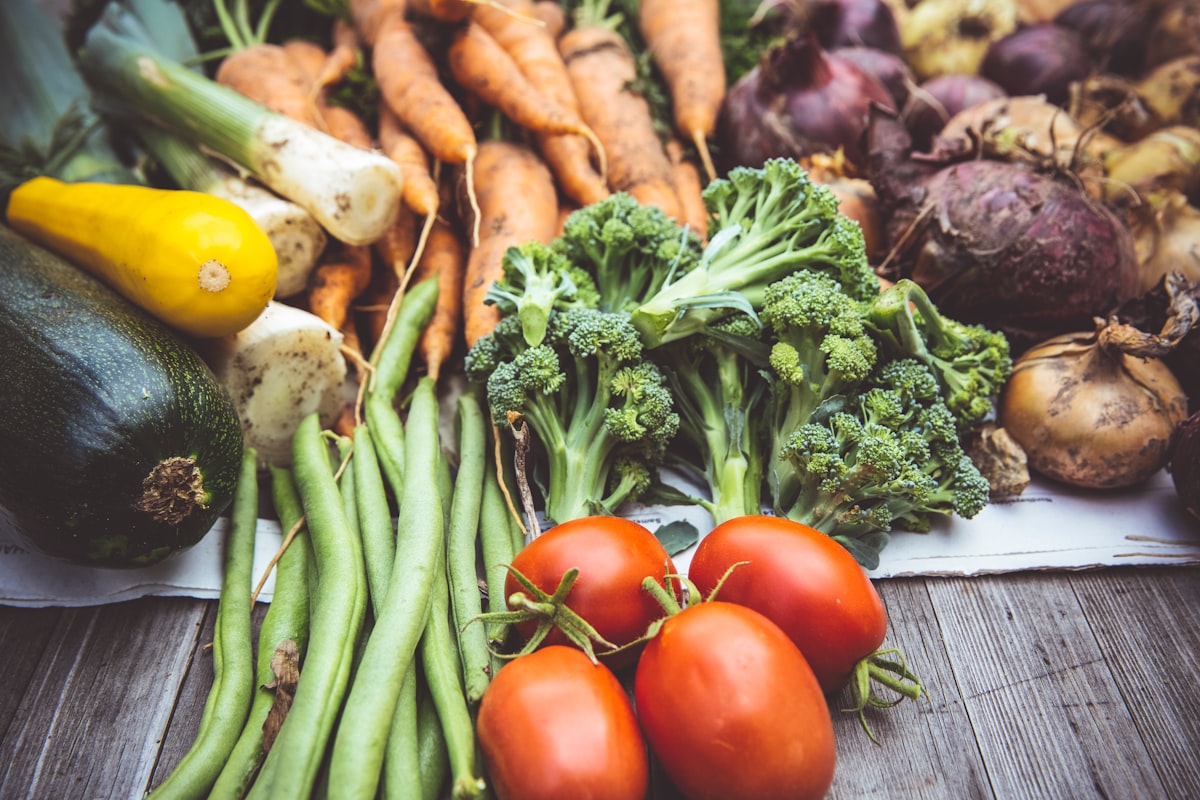
Coconut Vegetable Curry
Gluten-free, dairy-free, vegan. Aromatic spices and coconut cream create a comforting, nutrient-dense meal served over rice or quinoa.
Read Recipe →Success Stories from Our Community
Read how our readers have transformed their approach to allergen-free cooking and gained confidence in the kitchen.
"I was overwhelmed managing my family's multiple restrictions until I found these guides. The substitution tips are practical and actually taste good. My kids no longer feel like they're missing out at dinner time."
María García
Zaragoza, Spain
"As someone newly navigating dairy-free cooking, this resource helped me understand not just what to avoid, but why and how to replace it. The meal planning framework saved me hours of research and trial-and-error."
Carlos López
Barcelona, Spain
Common Allergy Questions Answered
Find answers to frequently asked questions about allergen-free cooking, ingredient substitutions, and kitchen safety.
Not always. Gluten-free flours have different absorption rates and binding properties. A typical ratio is 1 cup all-purpose flour = 1 1/4 cups gluten-free blend. Most successful bakers use a blend of rice flour, tapioca starch, and potato starch for better texture. Start with tested recipes and adjust based on results.
Use dedicated cutting boards, utensils, and preparation areas for allergen-free meals. Store allergen-containing foods separately on different shelves. Toast bread over foil to prevent crumb transfer, and wash hands thoroughly between handling different foods. Label containers clearly and communicate with everyone in the household about safety practices.
For cookies, applesauce or mashed banana work well as binders, using 1/4 cup per egg. However, these add moisture and sweetness. For cookies that need structure, flax eggs (1 tablespoon ground flax + 2.5 tablespoons water = 1 egg) provide better binding without altering flavor significantly. Experiment to find what works best for your recipe.
Coconut milk, cashew cream, and silken tofu create rich, creamy textures. Cashew cream (soaked cashews blended with water) mimics heavy cream perfectly. Coconut milk adds distinct flavor and thickness. Nutritional yeast combined with plant milk creates a cheesy flavor. Each works better for different applications, so build a repertoire of techniques.
Always read labels carefully. Dairy hides in breads, processed meats, and non-dairy creamers. Wheat appears in soy sauce, some spice blends, and processed foods. Nuts can contaminate facilities processing multiple products. Eggs are in many baked goods and pasta. Soy is ubiq uitous in Asian cuisines and many packaged foods. Always check for "may contain" warnings and cross-contamination risks during preparation.
Ready to Master Your Cooking Skills?
Join thousands of home cooks improving their techniques with Optimal Cooking Skills.